Irada Condemns Houthi Attacks in Taiz and Hodeidah
Irada Organization Condemns in the Strongest Terms the Houthis’ Widespread Attacks on the Governorates of Hodeidah, Taiz, and Marib and Their Systematic Practices of Killing and Displacement
Human Rights Statement
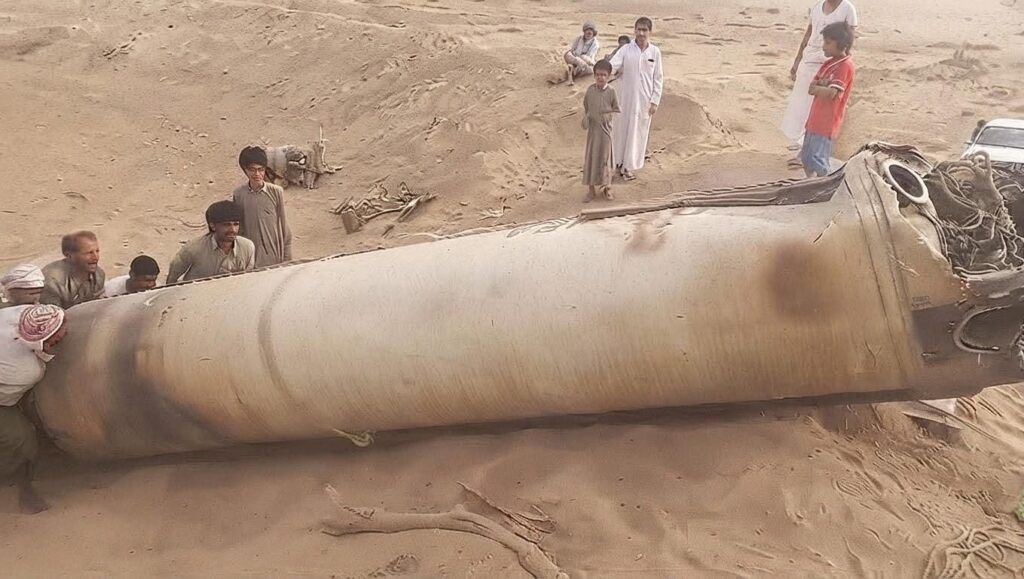
The Irada Organization Against Torture and Enforced Disappearance condemns in the strongest terms the widespread military escalation and grave violations committed by the Houthi militias from September 3 until September 15, 2026, in a number of areas of the governorates of Taiz, Hodeidah, and Marib, accompanied by shelling with ballistic missiles, drones, and various types of weapons, in direct targeting of populated areas and camps for internally displaced persons, thereby exposing the lives of civilians to grave danger.
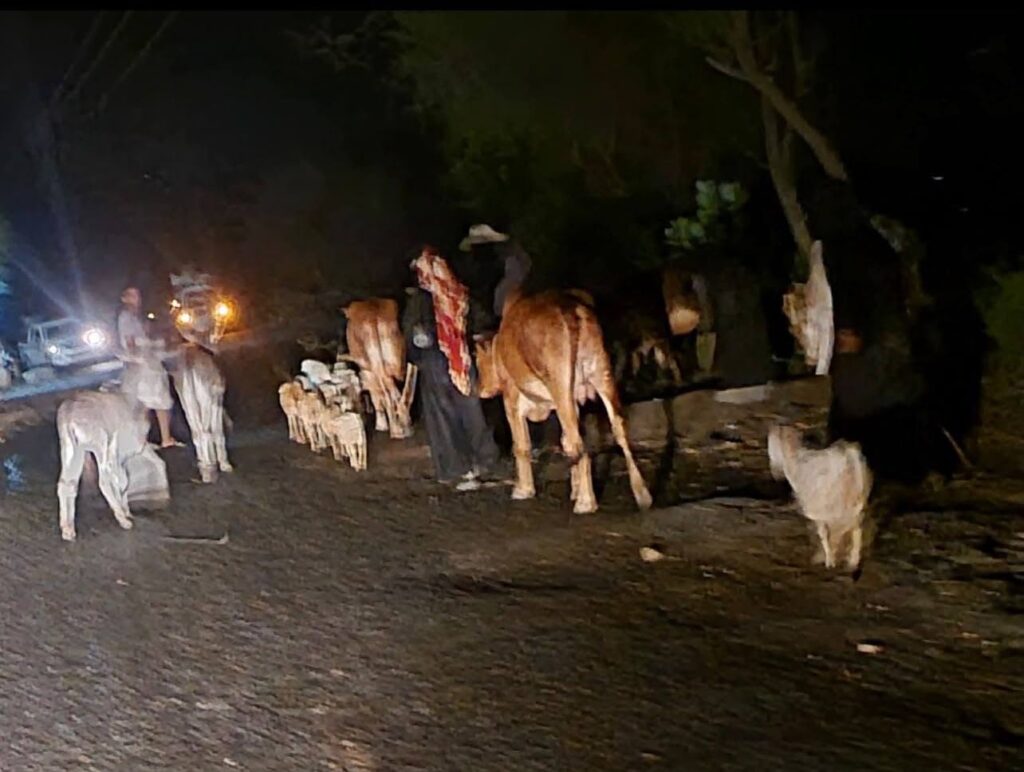
The attacks included the areas of Mokha, Hays, Al-Wazi’iyah, Jabal Habashi, Maqbanah, and Al-Barh, where the military operations were accompanied by raids on villages and residential areas, intensive shelling, forcing residents to leave their homes, as well as the destruction of property and depriving families of their homes, livelihoods, and basic necessities.
In Marib Governorate, the Raghwan District and the vicinity of Marib City were subjected to shelling with ballistic missiles and drones, targeting populated areas and camps for internally displaced persons. According to the preliminary information documented by the Irada Organization, this resulted in civilian casualties, including children, in addition to dozens of attacks that targeted the center of Marib City and its surroundings.
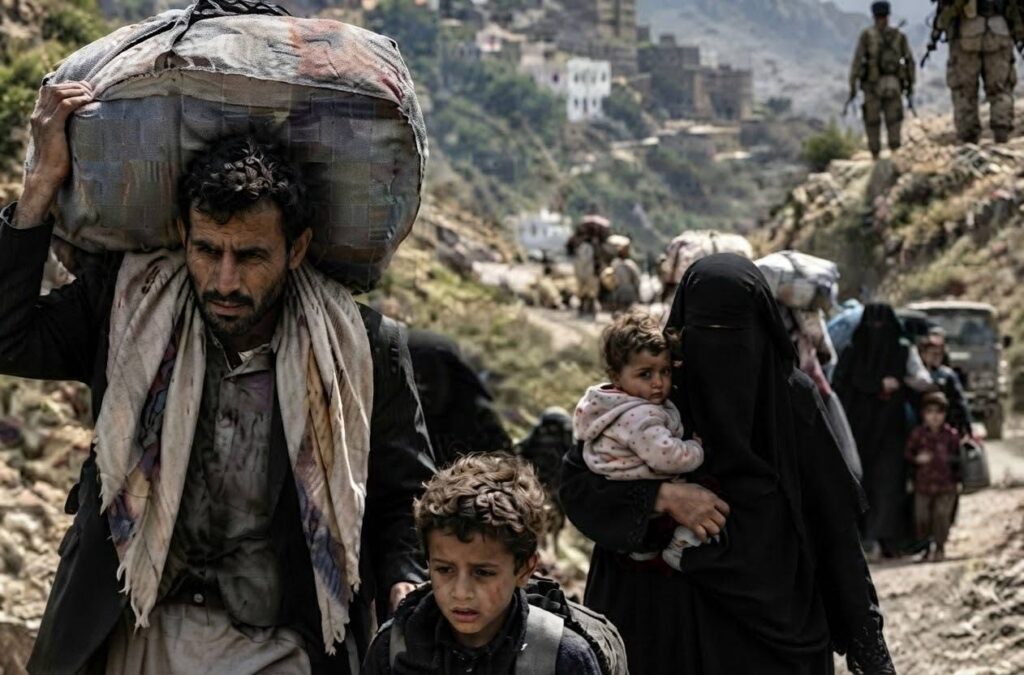
The Irada Organization affirms that targeting residential areas and camps for internally displaced persons cannot be treated as a collateral effect of military operations, particularly since the displaced persons who fled the areas of fighting were themselves targeted while traveling along the main and secondary roads, including the Heijah Al-Abd Road, Jabal Habashi Road, and the Maqbanah and Al-Barh Road.
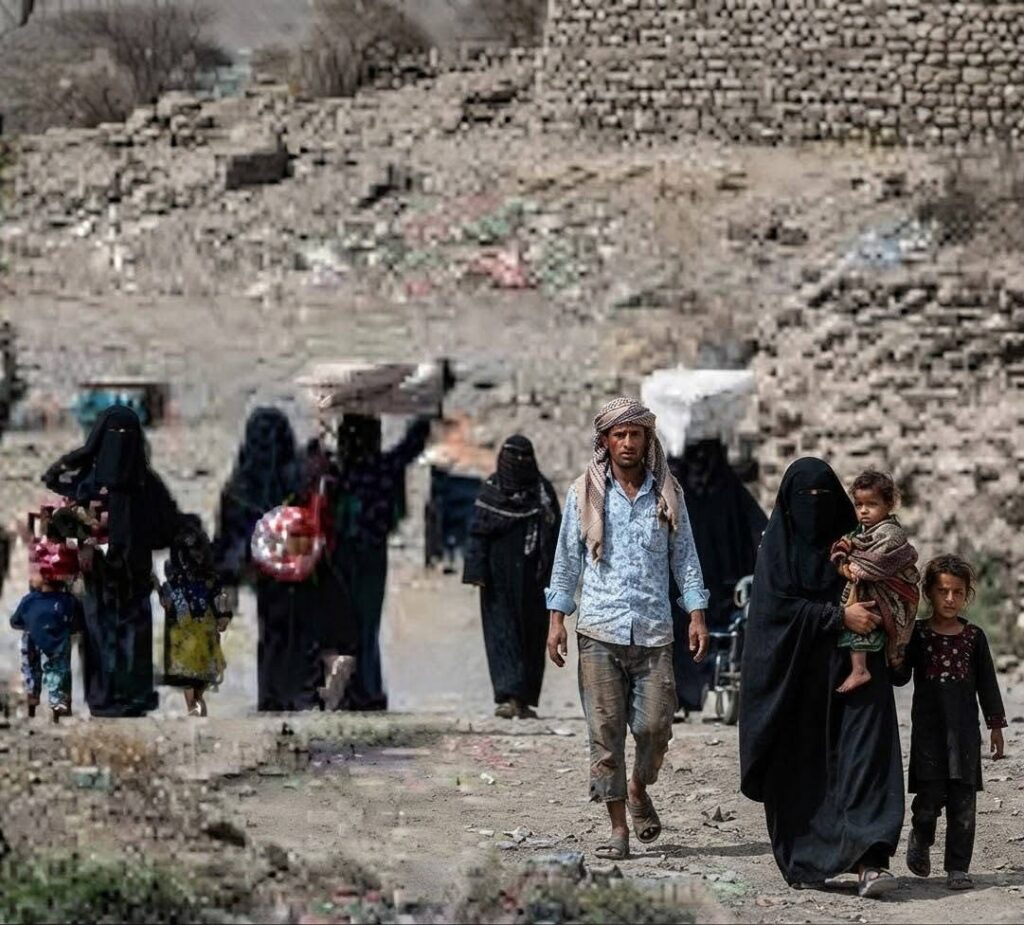
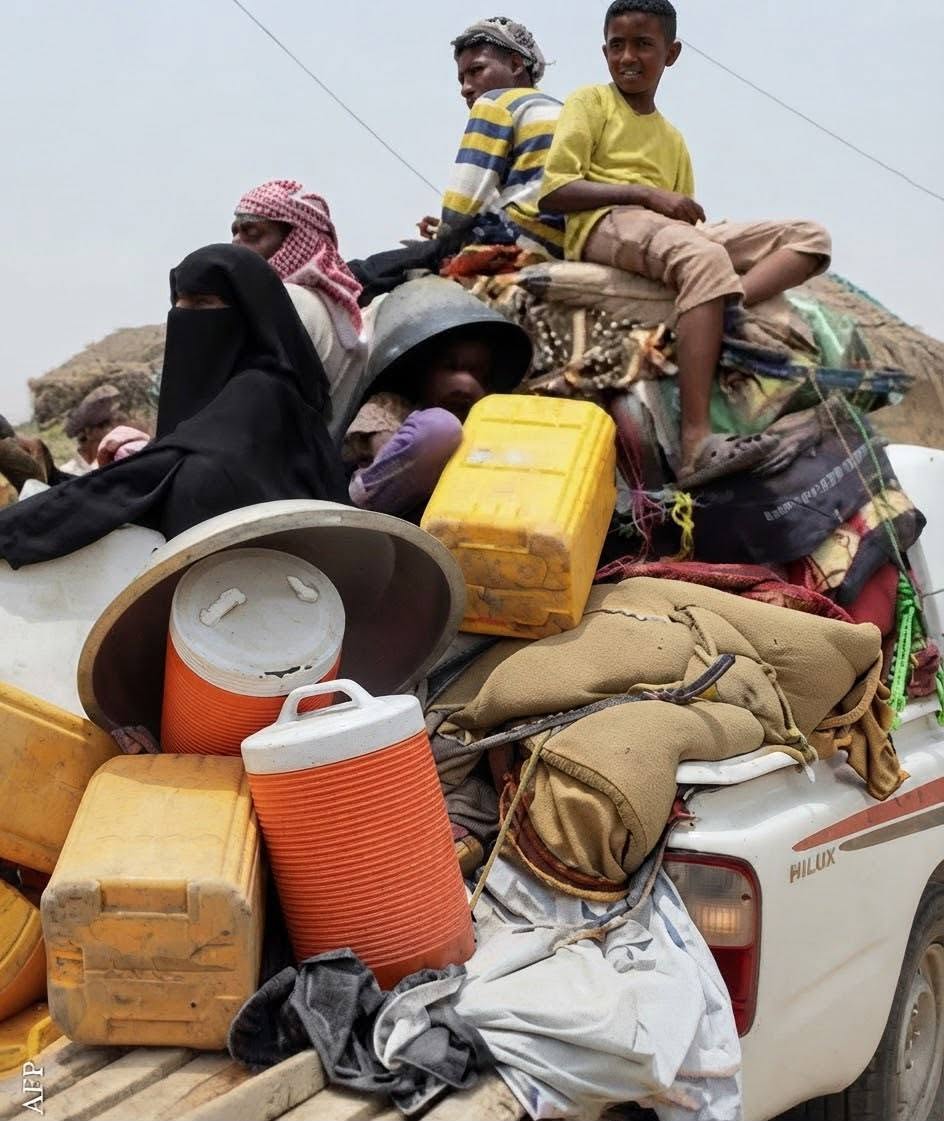
According to the preliminary tally received by the Irada Organization, these violations, during the aforementioned period, resulted in the killing of 154 civilians and the injury of 261 others. In Taiz Governorate, the Houthis displaced approximately 9,292 families (56,072 people) in the areas of Al-Barh, Jabal Habashi, Al-Wazi’iyah, and Maqbanah.
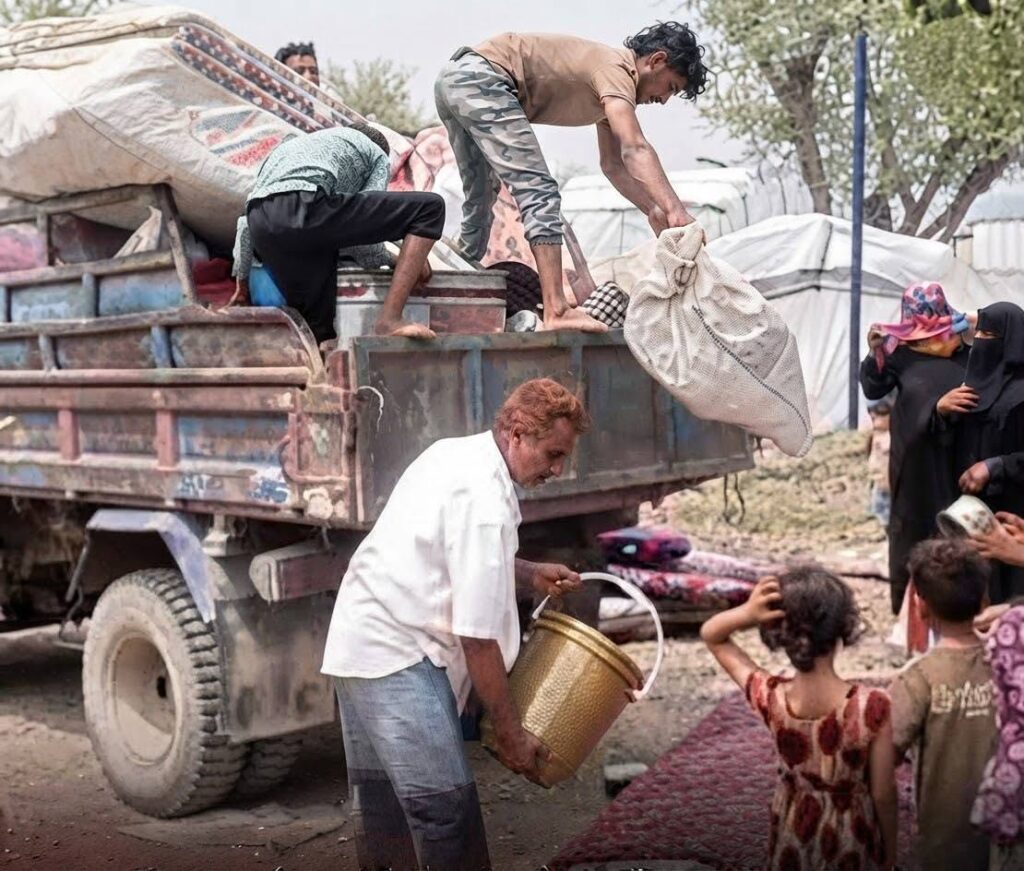
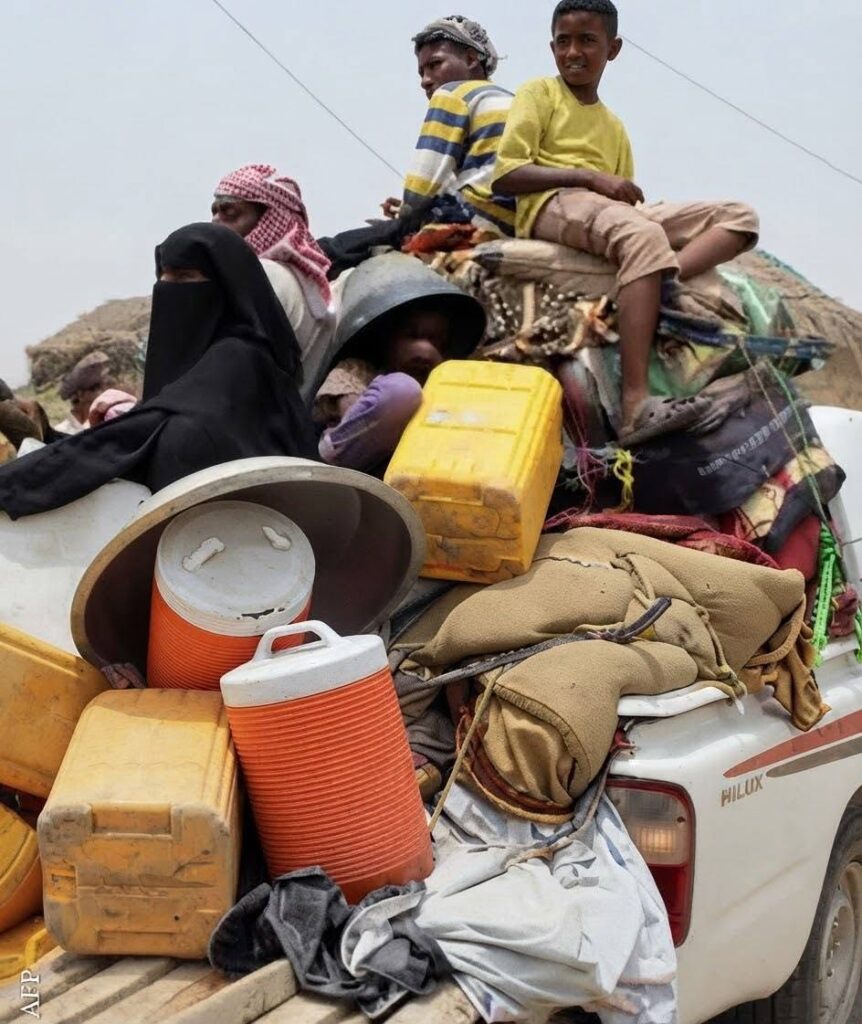
In Hodeidah Governorate, displacement resulting from forced displacement amounted to approximately 1,374 families (8,000 people). Thus, the total number of displaced families in the two governorates reached approximately 10,666 families, who are living in harsh conditions of homelessness and displacement as a result of the Houthi terrorist attacks that began on September 3.
The number of forcibly displaced persons who arrived in Djibouti also reached approximately 2,300 people, indicating the widening humanitarian repercussions of the escalation and their extension beyond the borders of the affected areas inside Yemen.
In Taiz Governorate, the violations included the shelling of the Al-Shuqab area, which, according to information received by the organization, resulted in the killing of the 32-year-old citizen Malia Abduljalil and her fetus, which was in its eighth month, in addition to other attacks that targeted residential areas and forced numbers of residents to flee.
What the governorates of Taiz and Hodeidah (the western coast in Mokha – Al-Wazi’iyah – Hays – Al-Kadha – Jabal Habashi – Maqbanah) witnessed of widespread attacks targeting population centers, resulting in systematic killings and field executions, as well as the injury and displacement of civilians, constitutes a full-fledged war crime.
Furthermore, the violations committed by the Houthi militias, including terrorism, killing, and shelling of civilians, also included raids and looting of the premises of international organizations, homes, and government institutions. The journalist Sadiq Shalali was abducted in the city of Mokha, in addition to the abduction of government employees and officials and judicial personnel.
The Irada Organization Against Torture and Enforced Disappearance considers that the targeting of civilians and displaced persons, evacuation convoys, and civilian and medical facilities, in addition to extrajudicial killings, field executions, abductions, arbitrary detention, looting of property, and forced displacement, constitute grave violations of international humanitarian law and international human rights law.
The organization also affirms that targeting wounded persons inside healthcare facilities, while they are outside the scope of combat and enjoy special protection under international humanitarian law, constitutes a grave violation that cannot be justified. The Houthi militias bear responsibility for these violations, which may amount to war crimes requiring investigation and accountability.
The Irada Organization calls on the international community, the United Nations, the Human Rights Council, and the Office of the High Commissioner for Human Rights to take urgent action to protect civilians, displaced persons, and medical facilities; release abductees and those arbitrarily detained; disclose the fate of persons whose whereabouts remain unknown; and open independent and impartial investigations into all violations.
The Irada Organization Against Torture and Enforced Disappearance also calls for documenting violations, preserving evidence, holding those responsible accountable, ensuring redress and reparation for victims, and strengthening the humanitarian response for displaced and affected families, stressing that impunity is unacceptable under international and humanitarian law.
Issued by: Irada Organization Against Torture and Enforced Disappearance
September 15, 2026 – Geneva, Switzerland