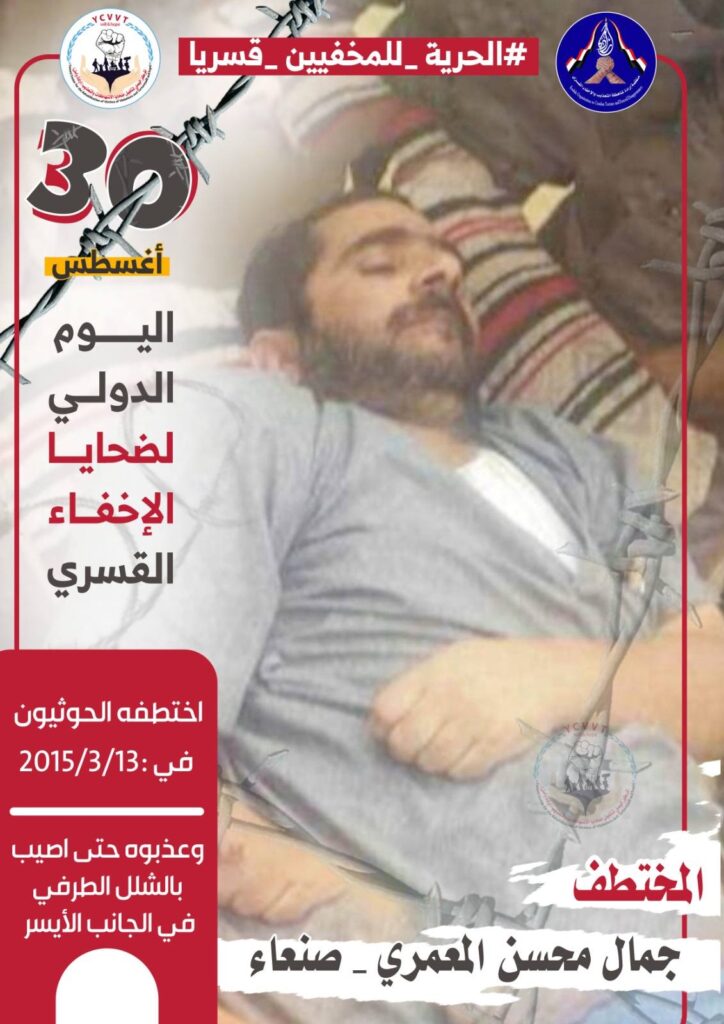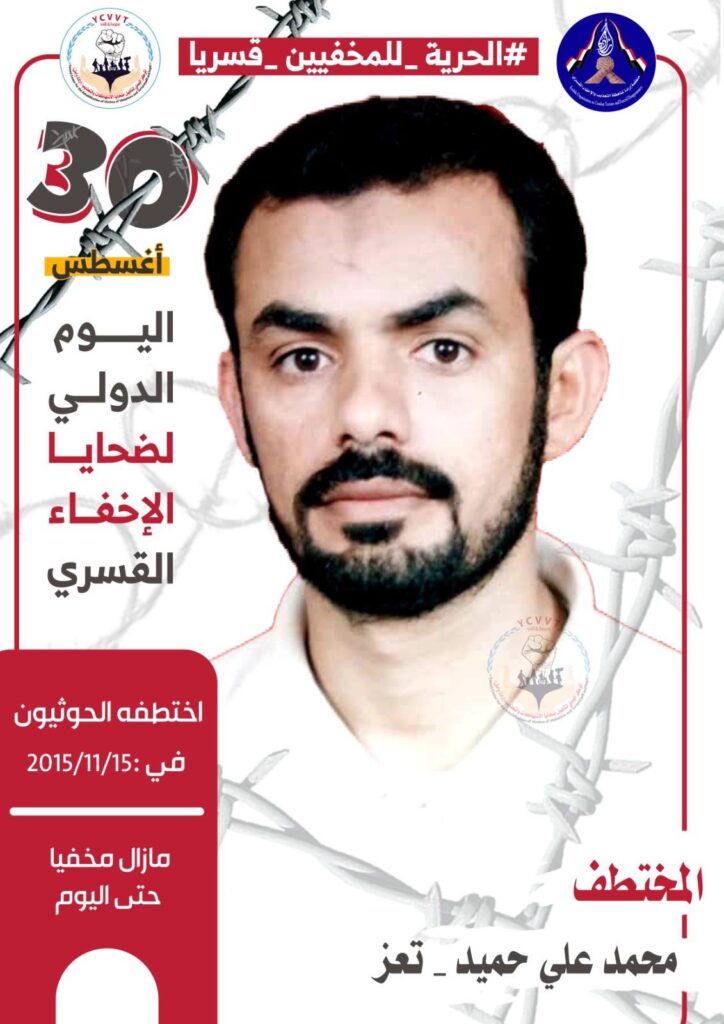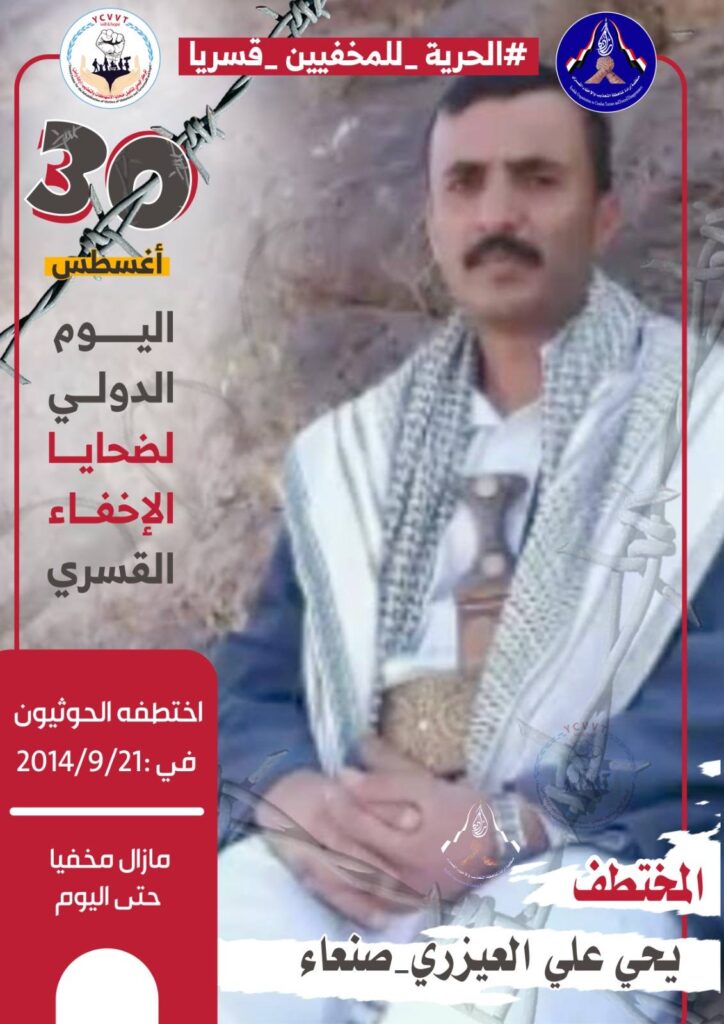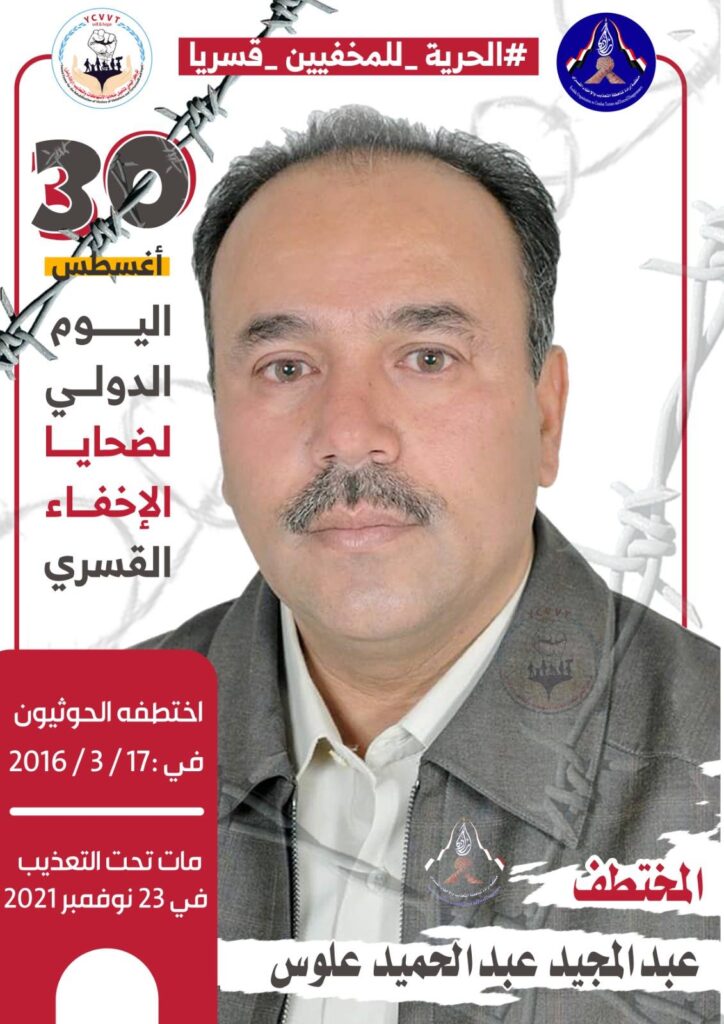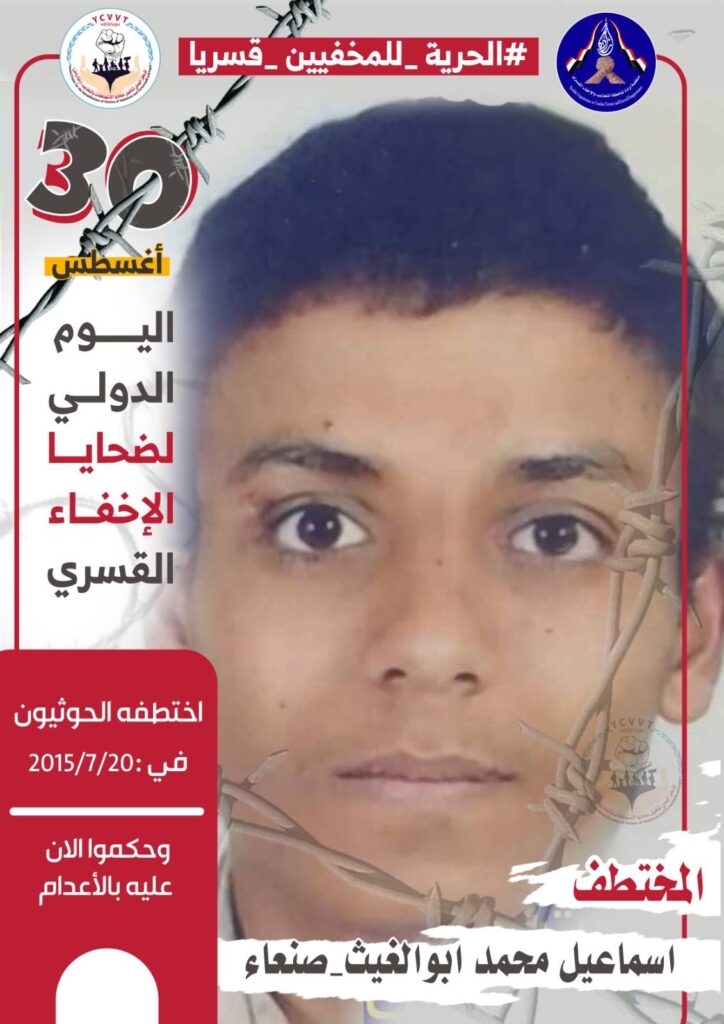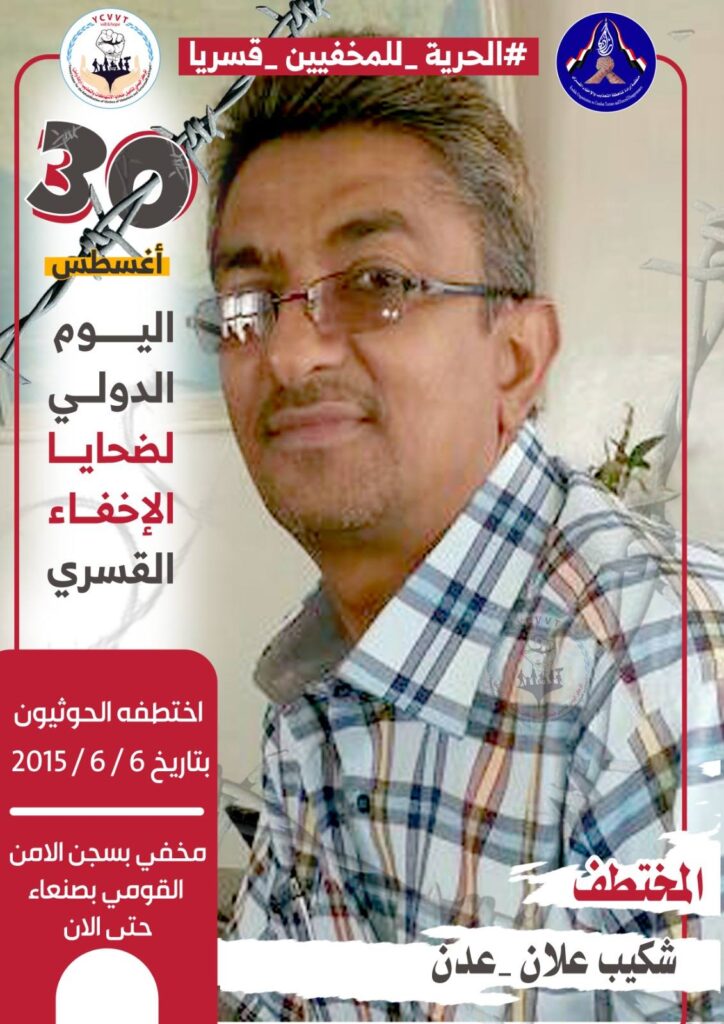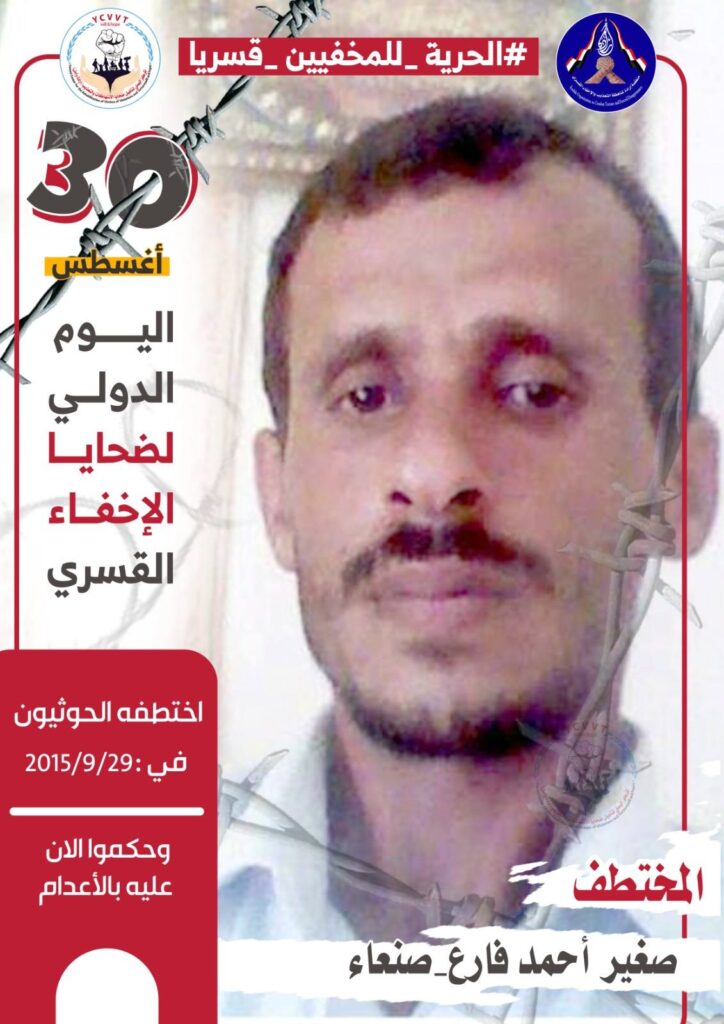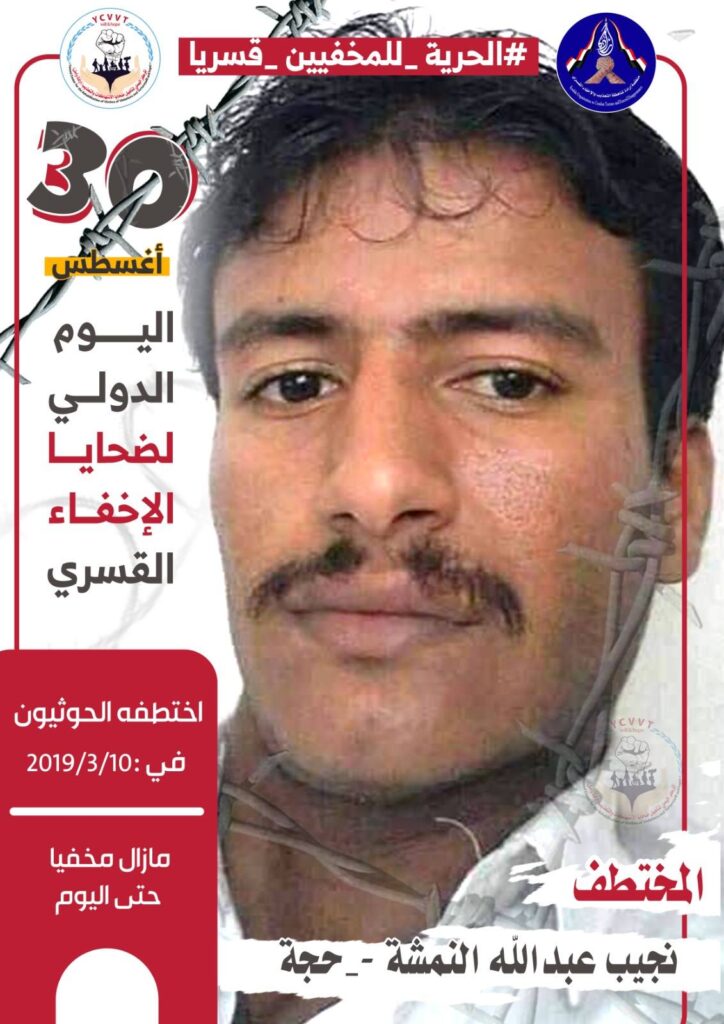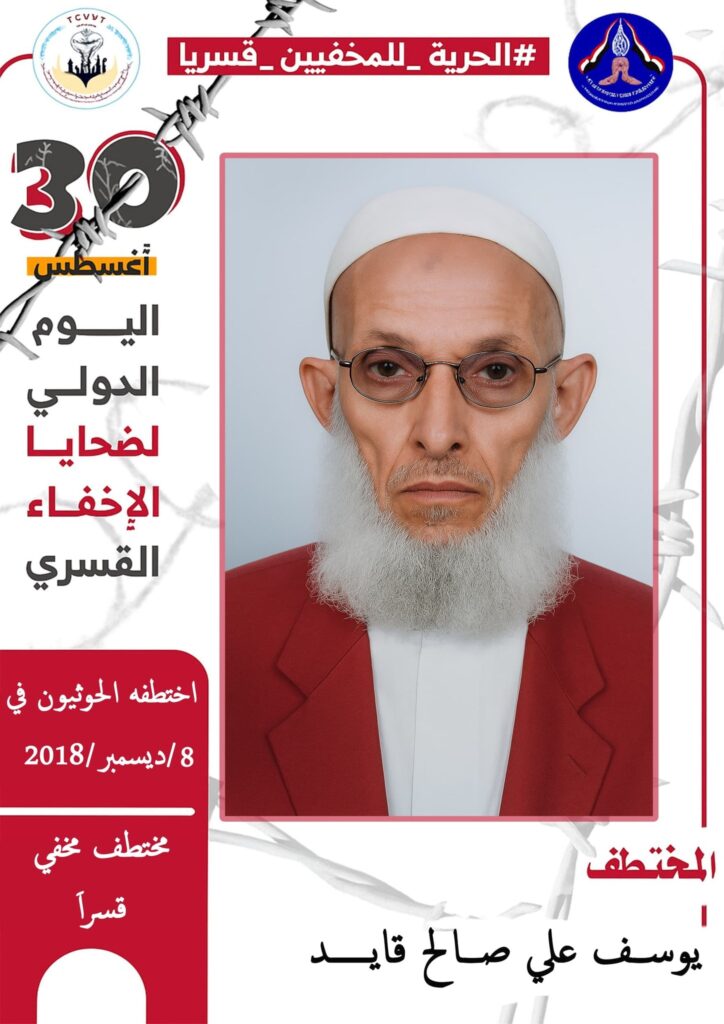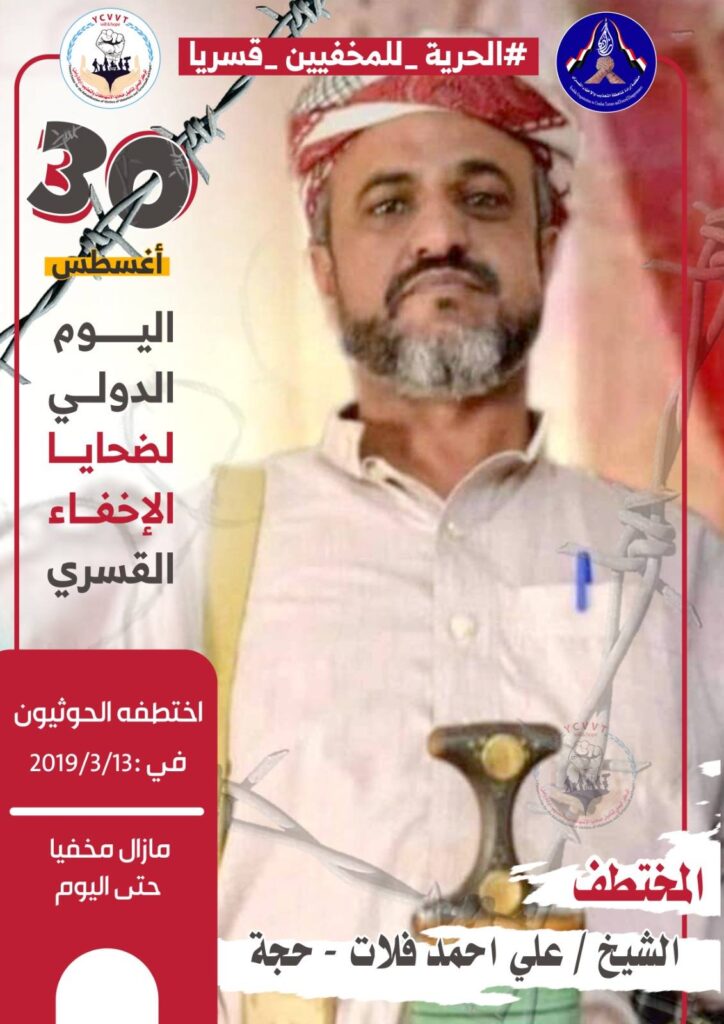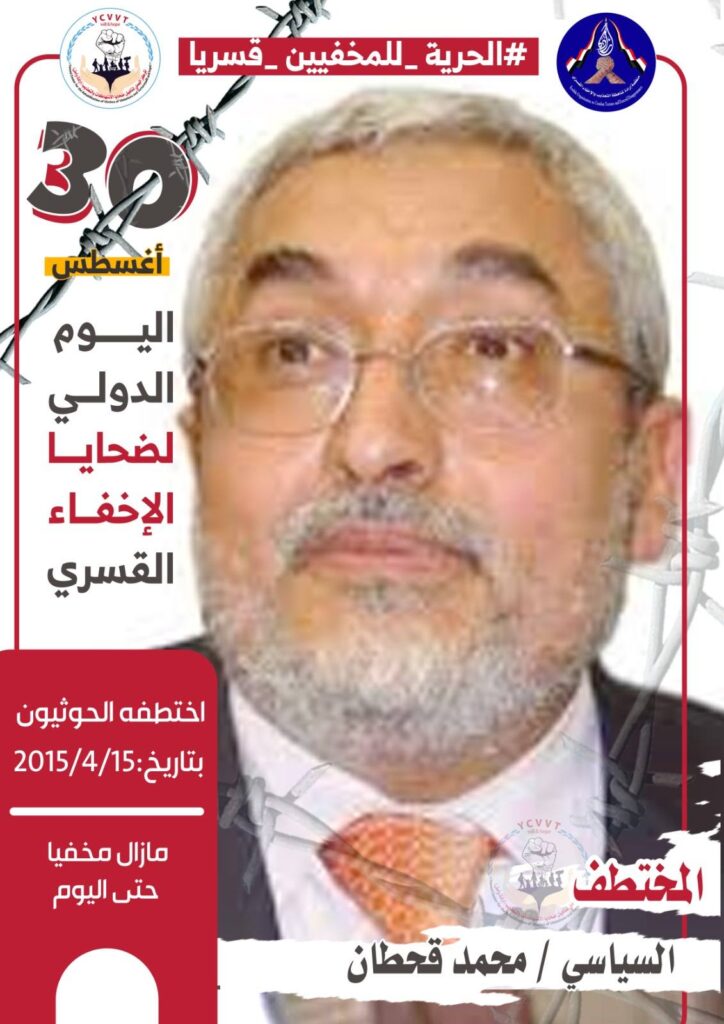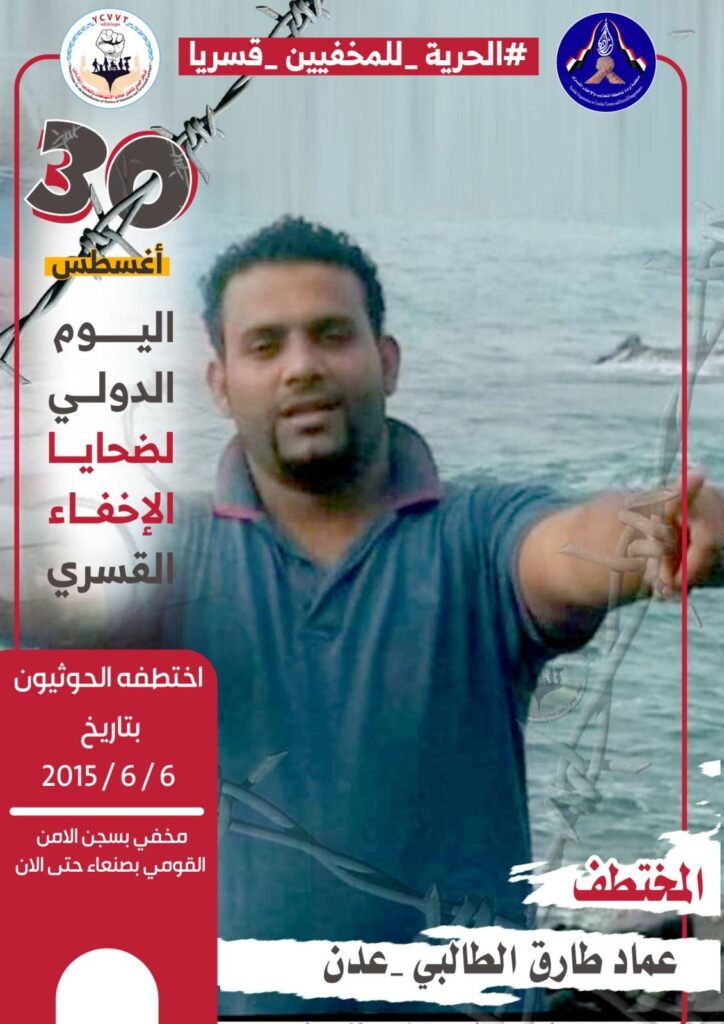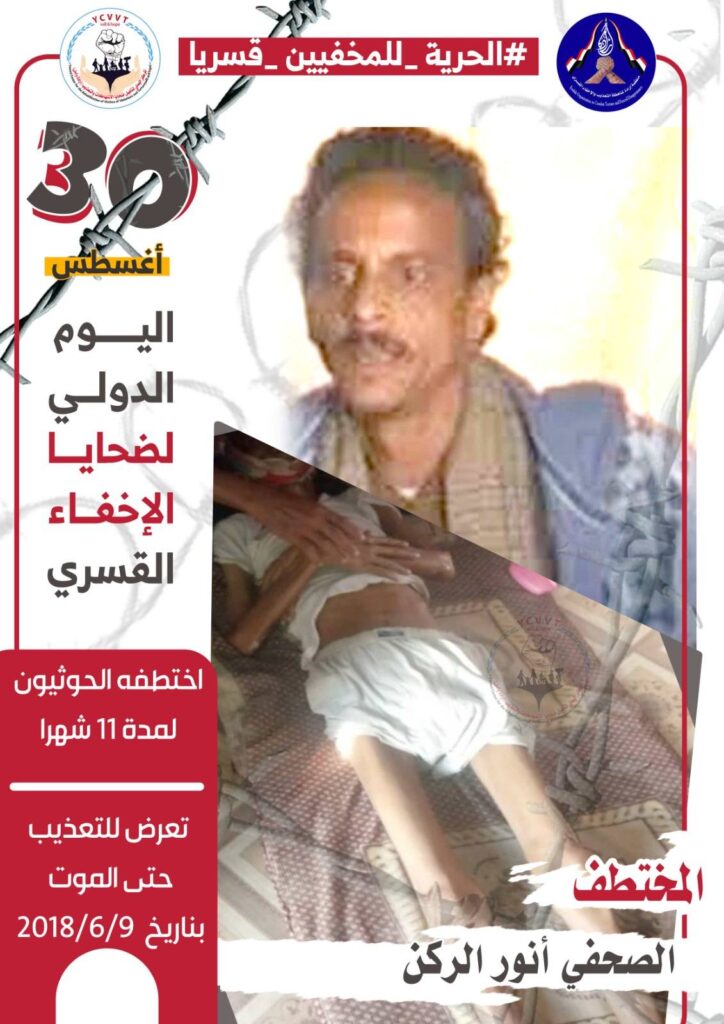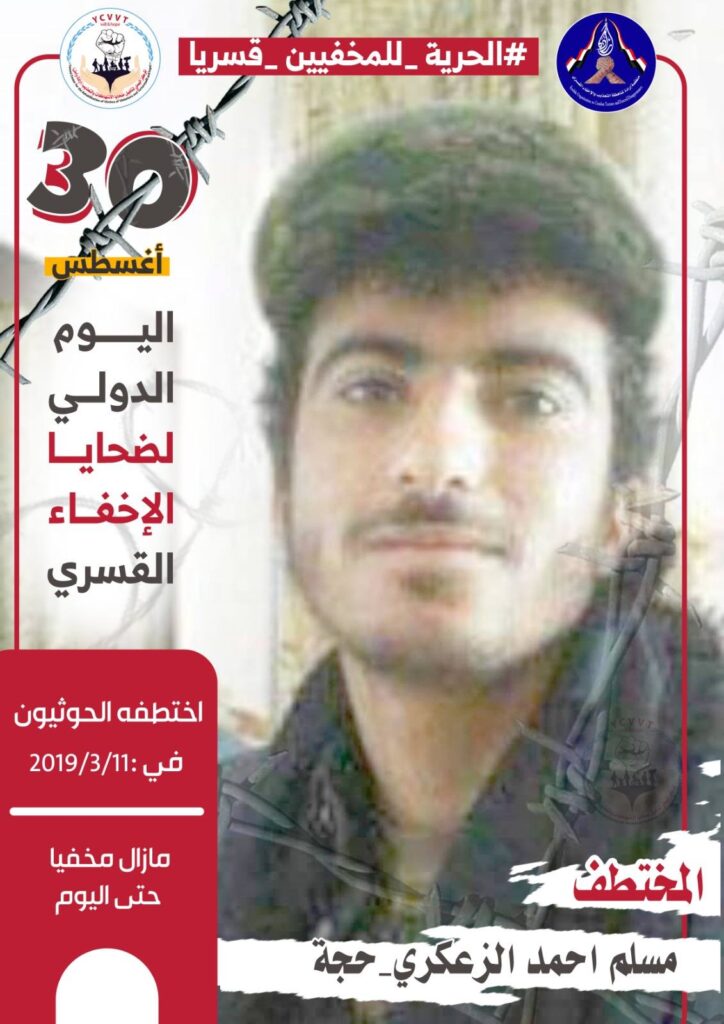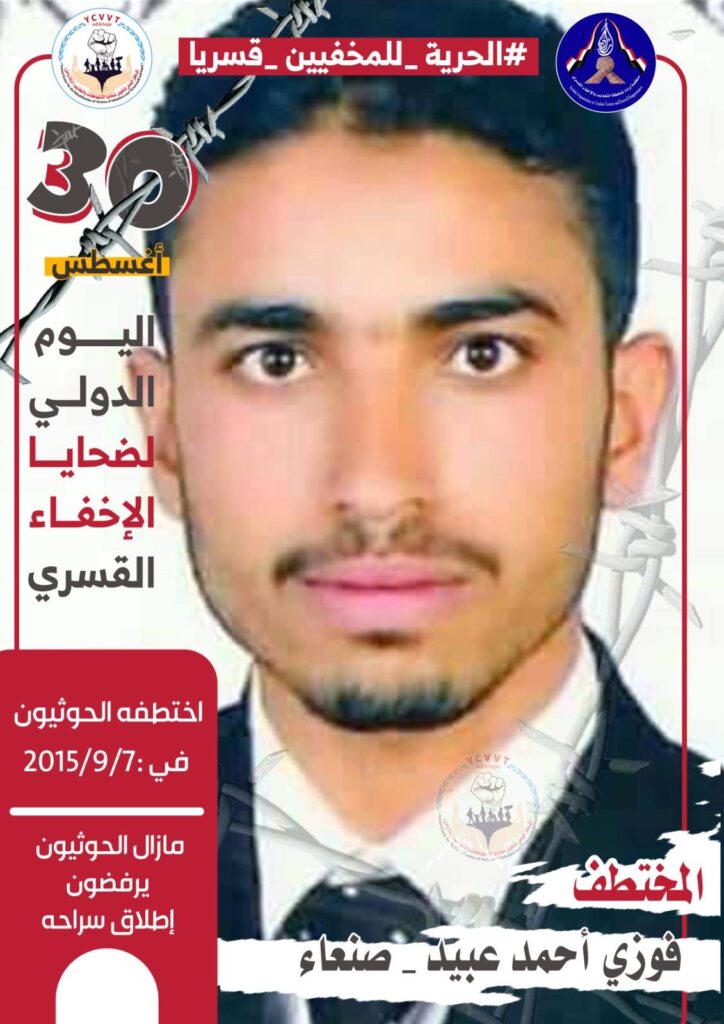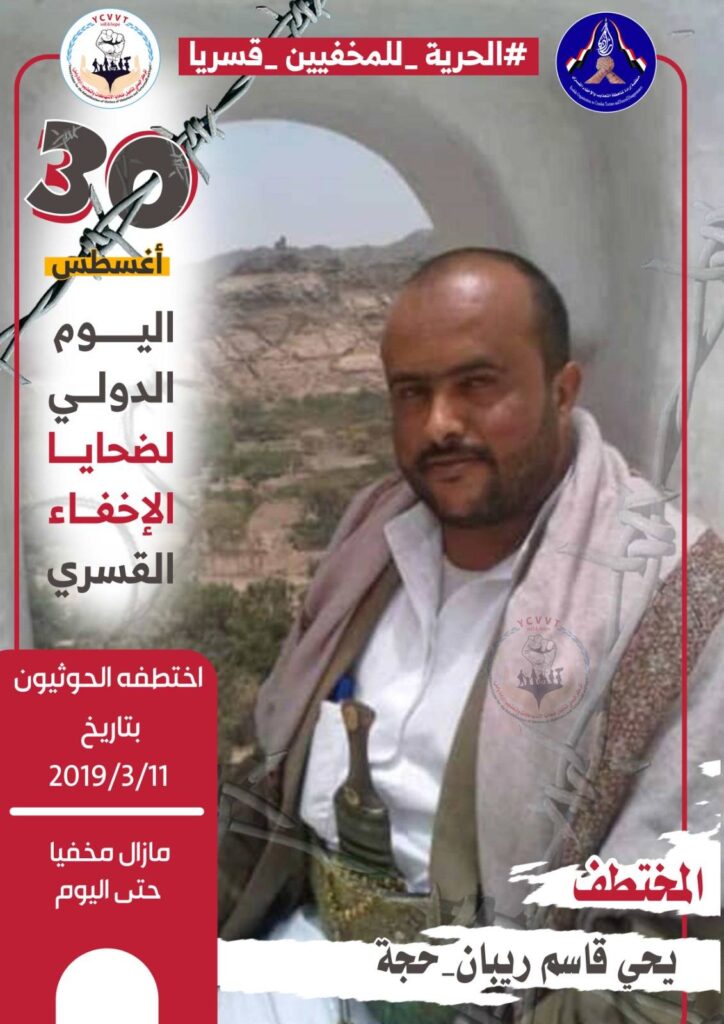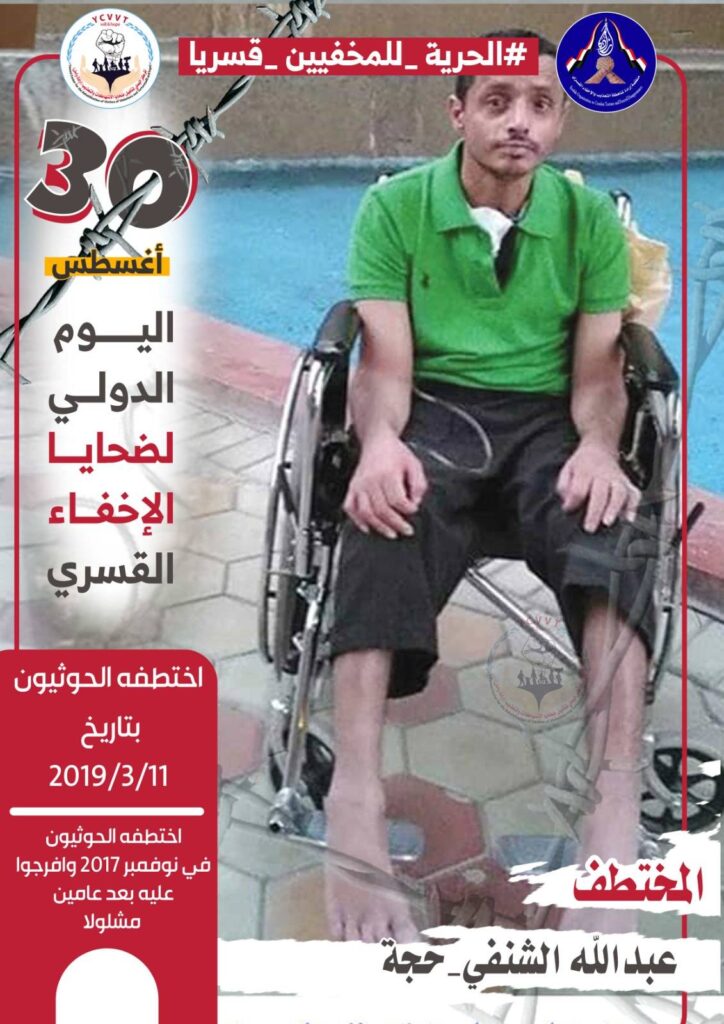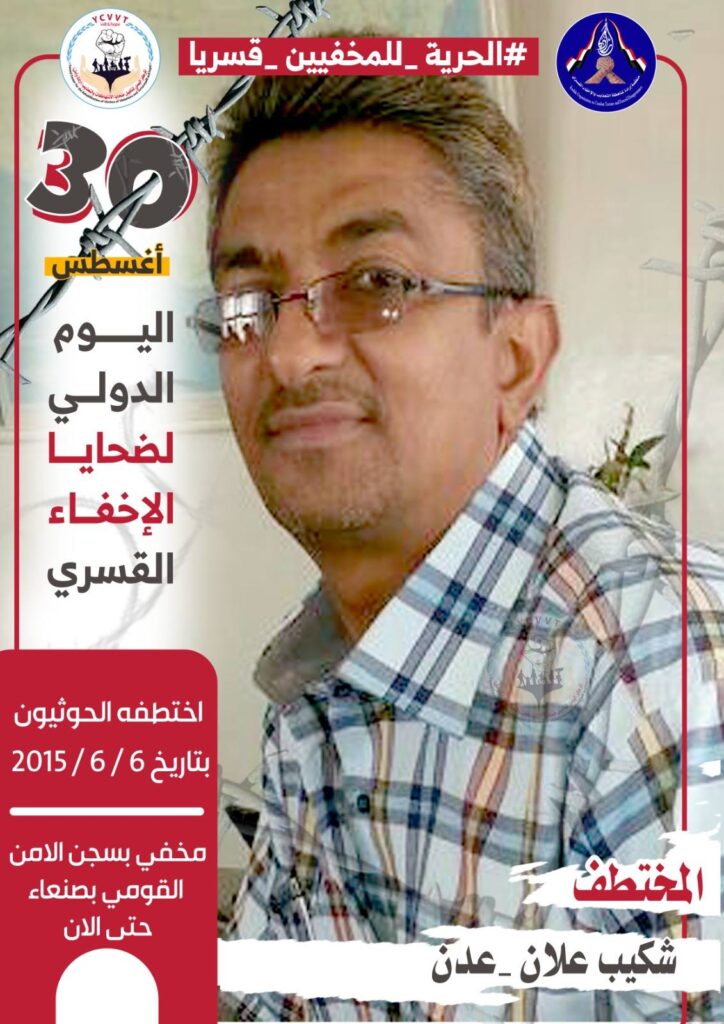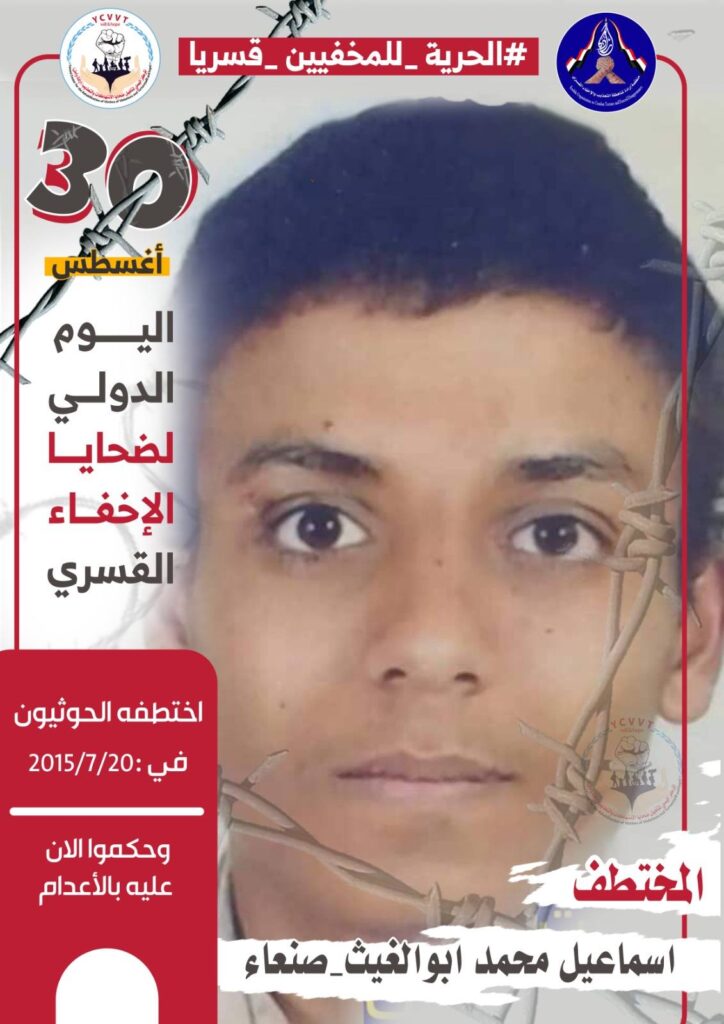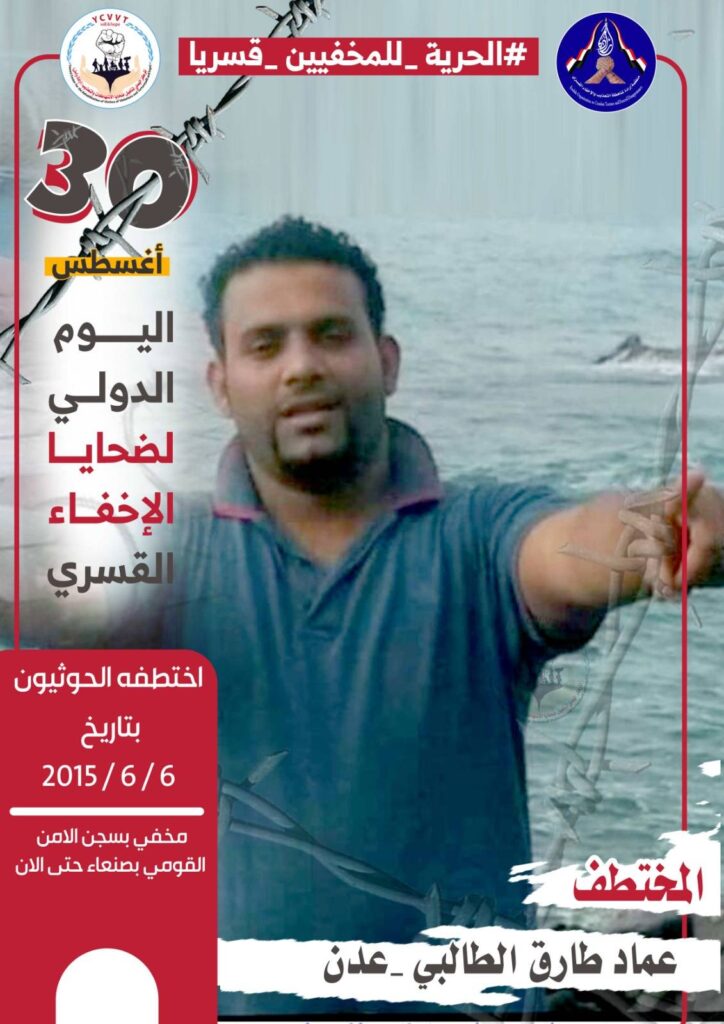
Occasion of the International Day of the Victims of Enforced Disappearances
Press statement On the Occasion of the International Day of the Victims of Enforced Disappearances – 30 August
Today, August 30, marks the International Day of the Victims of Enforced Disappearances, designated by the United Nations to highlight the gravity of this crime and its catastrophic humanitarian consequences. The International Convention for the Protection of All Persons from Enforced Disappearance (ICPPED) was established as a binding international legal framework aimed at preventing this crime, ensuring that the fate of the victims is revealed, and delivering justice to them and their families. The Convention was adopted by the United Nations General Assembly in December 2006, entered into force in December 2010, and by August 2019 had been signed by 98 States, with 61 having ratified it.
According to reports by Irada Organization against Torture and Enforced Disappearance, there are more than 800 forcibly disappeared detainees in multiple detention facilities in Sana’a, including: Sirf prison in east of Sana’a, Hadda prison, south of Shamlan detention center, and Suwad Haziz detention center. The organization confirms it possesses precise coordinates of several of these secret detention facilities. Reports indicate that the disappeared are subjected to inhumane conditions. A prison east of Suwad Haziz was documented to hold 168 detainees, in addition to dozens in detention located in north-west of the “Teleyemen” building in Tahrir. In Saada governorate, hundreds of detainees remain forcibly disappeared, with approximately 400 held in “Naq’a” prison under conditions likened to those of the notorious “Saydnaya” prison in Syria. In Taiz governorate, more than 370 detainees are held in “Al-Saleh City prison” under extremely dire humanitarian conditions.
Many victims have been subjected to more than a decade of enforced disappearance in Houthi-run prisons, including: Yahya Al-Eizri, Imad Al-Talbi, Shakib Allan, Fawzi Ubaid, Ismail Al-Ramadi, and Mohammed Qahtan.
Women detainees, also, have suffered grave violations inside the militia’s secret prisons, including physical and psychological torture, sexual violence, harassment, and rape, in addition to being deprived of communication with their families. The organization has documented cases such as Fatima Al-Arwali and Asmaa Al-umaisi, who face unjust rulings and harsh conditions, while Houthis militia denies the fate of many other women and refuses to disclose their whereabouts. These secret prisons are managed by senior militia leaders, including Abdulkarim Al-Houthi, Abdulrab Jarfan, Mutlaq Al-Marani, and Abdulhakim Al-Khaiwani.
The crime of enforced disappearance leaves devastating psychological, social, and economic impacts, extending beyond the victims themselves to their families and communities. The militia exploits enforced disappearance as a tool of intimidation, control, and financial extortion, thereby compounding the suffering of Yemeni society since the coup of Sept 21 2014.
These violations have also targeted activists, human rights defenders, journalists, and even employees of international organizations such as World Food Programme and the United Nations High Commissioner for Refugees, who have been subjected to abduction, enforced disappearance, and degrading treatment at the hands of Houthis militia. Civilians are often abducted at checkpoints and roadblocks, in incidents documented by video footage showing victims being taken to unknown locations.
On this occasion, Irada Organization against Torture and Enforced Disappearance reaffirms the following:
- Condemnation of all acts of arbitrary detention, abduction, enforced disappearance, torture, and violations against women committed by Houthi militia in areas under its control.
- Calling on the international community, the United Nations, the UN Special Envoy to Yemen, and international and local human rights organizations to exert immediate pressure on the militia to release all abductees and forcibly disappeared persons, especially women, and to disclose the fate of hundreds of victims.
- Releasing all detainees unconditionally, and ensuring reparations and compensation for them and their families.
- Emphasis on the principle of accountability and the rejection of impunity, in order to achieve justice and redress for the victims.
Enforced disappearance is a crime against humanity, and the silence of the international community only encourages its continuation. It is the duty of the free world to stand by the victims and their families, and to work decisively to end these heinous violations.
Issued by:
Irada Organization against Torture and Enforced Disappearance
August 30, 2025 – Republic of Yemen